Designing Breakwaters for Extreme Wave Loads
Designing breakwaters for extreme wave loads requires a comprehensive understanding of the complex interactions between waves, structure, and seabed. In exposed locations around the United Kingdom, breakwaters must withstand some of the most energetic wave climates in the world, where storm waves can exceed 10 metres in height and exert immense forces on both the structure and its foundation. The design process therefore extends far beyond simple sizing; it involves detailed analysis of wave transformation, hydrodynamic loading, geotechnical conditions, and material performance under cyclic loading.
This article outlines key considerations for structural stability and wave energy dissipation when designing rubble-mound and vertical breakwaters in exposed environments. It examines the fundamental principles that inform design decisions, the methodologies used to assess extreme wave loads, and the factors that influence long-term performance. The focus is on process-oriented approaches that support informed engineering judgement, rather than prescriptive solutions, recognising that each project presents unique challenges and that outcomes depend on multiple external factors.
While the information provided is intended to support professional practice, it does not replace site-specific investigation, numerical modelling, or expert consultation. Coastal Marine and similar organisations involved in coastal infrastructure emphasise the importance of a rigorous, multi-disciplinary design process that accounts for uncertainty and changing environmental conditions.
Understanding Extreme Wave Loads and Their Origins
Extreme wave loads arise from a combination of meteorological, oceanographic, and bathymetric factors that vary significantly across different exposed locations. In the UK, the most severe wave conditions typically develop during autumn and winter storms, when deep low-pressure systems generate powerful swells that propagate across the Atlantic Ocean. These waves undergo transformation as they approach the coast, with shoaling, refraction, and diffraction altering their height, period, and direction. The design of breakwaters must therefore be based on robust wave hindcasting and statistical analysis of long-term records, rather than on limited observed data.
The characterisation of extreme wave loads involves determining design wave heights, periods, and directions associated with a specific return period, such as 1 in 100 years. However, the concept of a single design wave is increasingly supplemented by spectral and time-domain analyses that consider wave grouping, breaking, and directional spreading. These factors can lead to load amplification and structural responses that are not captured by simple deterministic methods. Furthermore, the possibility of wave overtopping and transmission must be assessed, as these processes influence both the stability of the breakwater and the conditions in the sheltered area.
Accurate prediction of wave loads also requires consideration of water depth at the structure, as breaking waves can generate impulsive forces that are significantly higher than those from non-breaking waves. The location of the breakwater relative to the surf zone, the slope of the seabed, and the presence of currents or tidal variations all contribute to the complexity of the loading environment. Consequently, designers must adopt a probabilistic approach that accounts for the inherent variability and uncertainty in wave climate projections, especially in the context of potential long-term changes.
Rubble-Mound Breakwaters: Stability and Energy Dissipation
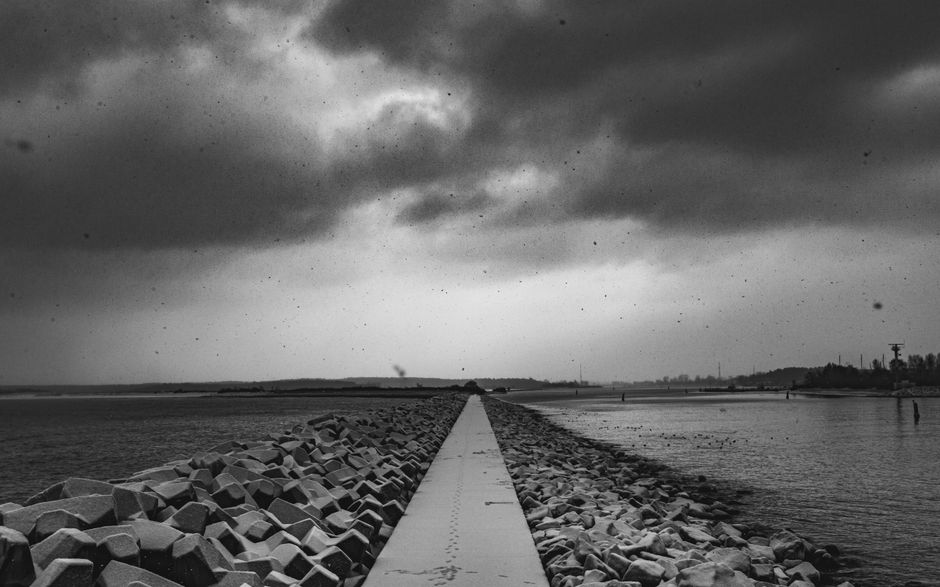
Rubble-mound breakwaters are widely used in exposed locations because their flexible, porous structure can dissipate wave energy through a combination of reflection, transmission, and turbulent flow within the armour layer. The design of these structures focuses on ensuring that the armour units remain stable under extreme wave attack, while the underlayers and core provide adequate filtration and support. The primary armour layer, typically consisting of rock or concrete units, must be sized to resist the uplift and drag forces generated by breaking and non-breaking waves. Empirical formulae, such as those developed by Hudson and Van der Meer, provide initial guidance, but physical model testing is often necessary to validate performance under site-specific conditions.
Wave energy dissipation in rubble-mound breakwaters occurs through several mechanisms. As waves run up the slope, they encounter the rough, permeable surface of the armour, which induces turbulence and friction, reducing the energy available for reflection and overtopping. The voids within the armour layer and underlayers allow water to flow in and out, further dissipating energy through viscous effects. The crest width and freeboard also influence overtopping rates, with wider crests and higher freeboards generally reducing wave transmission. However, increasing crest height may not always be economically or environmentally feasible, and alternative measures such as crown walls or wave walls can be considered.
Filter design and geotextile placement are critical to prevent erosion of the core and settlement of the armour. The gradation of rock sizes must be carefully selected to ensure that finer material does not migrate through the armour layer under cyclic wave loading. In addition, the geotechnical stability of the foundation must be assessed, as soft or erodible seabeds can lead to bearing capacity failures or slope instability. For these reasons, comprehensive site investigation and material testing are essential components of the design process. Coastal Marine and other practitioners emphasise that the long-term performance of rubble-mound breakwaters depends on the integration of hydraulic, structural, and geotechnical design considerations.
Vertical Breakwaters: Structural Response to Impulsive Forces
Vertical breakwaters, often constructed as caisson or blockwork structures, offer an alternative to rubble-mound designs in locations where space is limited or where wave transmission must be minimised. These structures reflect wave energy rather than dissipating it, which can lead to high dynamic pressures and impulsive loads, particularly when waves break directly against the vertical face. The design of vertical breakwaters must therefore account for the possibility of pulsating and impact pressures, which can be significantly greater than those predicted by non-breaking wave theories. The Goda formula and its derivatives are commonly used to estimate wave pressures, but these methods may not capture the full complexity of breaking wave impacts, and physical modelling remains a valuable tool.
Structural stability of vertical breakwaters depends on the mass and geometry of the caisson, as well as the foundation conditions. The caisson must be heavy enough to resist sliding and overturning under the applied wave loads, and the foundation must be prepared to distribute these loads without excessive settlement or bearing failure. In some cases, a rubble foundation or a berm is used to improve stability and reduce the likelihood of scour. The dynamic response of the structure, including its natural frequency and damping characteristics, can also influence the magnitude of loads and the potential for resonance with wave frequencies.
Wave energy dissipation in vertical breakwaters is limited compared to rubble-mound structures, and reflected waves can cause problems in the adjacent area, such as increased agitation and scour. To mitigate these effects, designers may incorporate perforated walls, wave chambers, or other modifications that introduce energy dissipation while maintaining the vertical face. However, these features add complexity and require careful analysis to ensure they do not compromise structural integrity. The choice between rubble-mound and vertical breakwaters is therefore influenced by a range of factors, including water depth, seabed conditions, construction methods, and environmental impact.
Design Methodologies and Risk Assessment
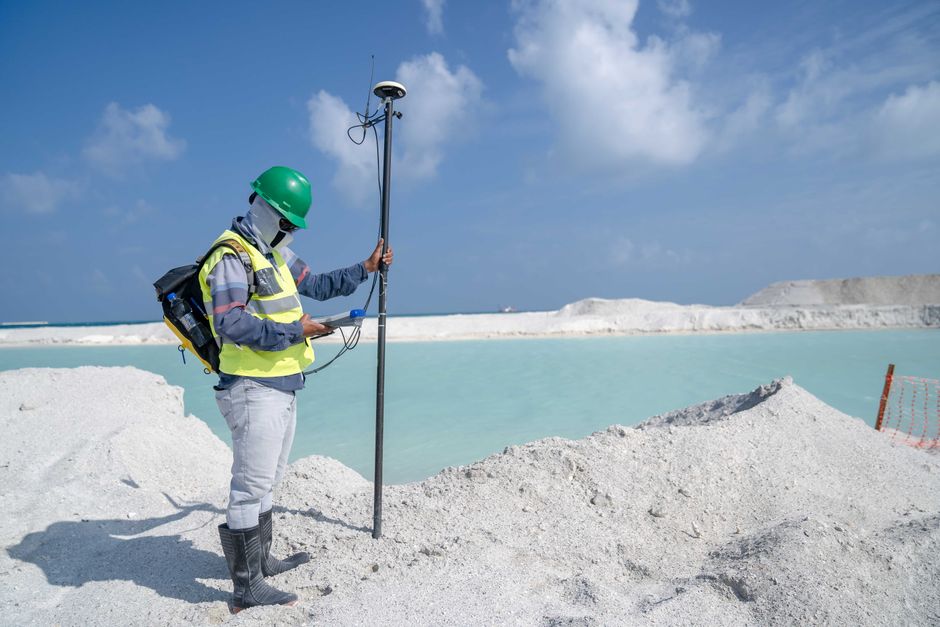
The design of breakwaters for extreme wave loads follows a structured methodology that typically begins with data collection and ends with performance monitoring. Key stages include desk study, site investigation, wave climate analysis, concept selection, numerical modelling, physical modelling, detailed design, and construction. Each stage informs the next, and iterations are common as new information becomes available. The use of probabilistic methods, such as Monte Carlo simulation, allows designers to quantify uncertainty and assess the probability of failure or unacceptable performance. This is particularly important for extreme events, where the consequences of failure can be severe.
Risk assessment in breakwater design involves identifying potential failure modes, such as armour instability, caisson sliding, foundation failure, and overtopping. For each mode, the likelihood and consequences are evaluated, and mitigation measures are developed. The acceptable level of risk depends on the importance of the structure, the potential for loss of life or property, and the cost of replacement or repair. In the UK, guidance from organisations such as the Environment Agency and the Institution of Civil Engineers provides a framework for risk-based design, but professional judgement remains essential in interpreting and applying these guidelines.
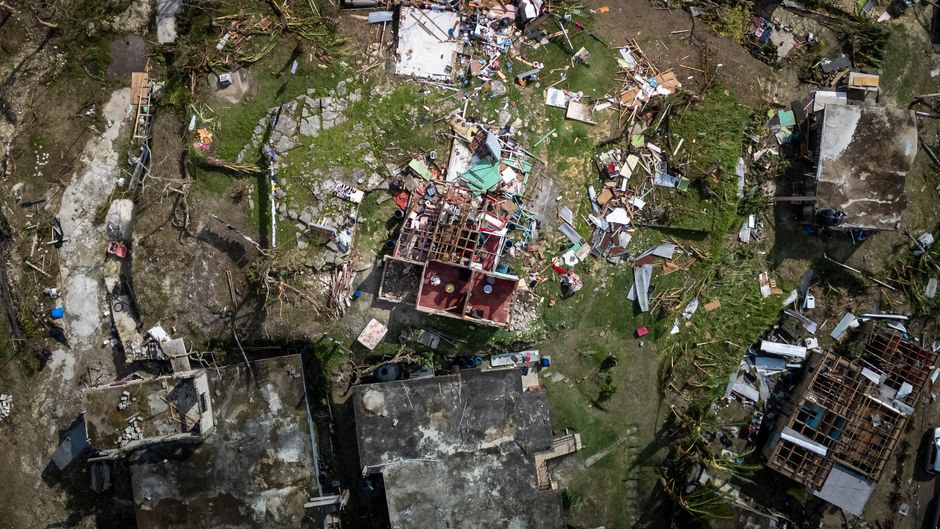
Monitoring and maintenance are integral to the long-term performance of breakwaters. Regular inspections, combined with instrumented monitoring of wave loads, pore pressures, and structural movements, can provide early warning of deterioration or unexpected behaviour. Adaptive management strategies allow for timely interventions, such as adding armour or repairing damage, before minor issues escalate. However, it must be recognised that no design can eliminate all risk, and that the performance of a breakwater is influenced by factors beyond the designer’s control, including climate change, extreme events, and unforeseen geological conditions.
Environmental and Constructability Considerations
Breakwater design must also address environmental and constructability issues, which can significantly influence the selection and detailing of the structure. Environmental impact assessments are required for most coastal projects, and these consider effects on wave climate, sediment transport, water quality, and marine habitats. For example, rubble-mound breakwaters can alter local hydrodynamics and sedimentation patterns, potentially leading to erosion or accretion in adjacent areas. Vertical breakwaters may reflect waves and cause scour at the toe, which can affect benthic communities. Designers must work closely with environmental specialists to minimise adverse effects and incorporate mitigation measures where feasible.
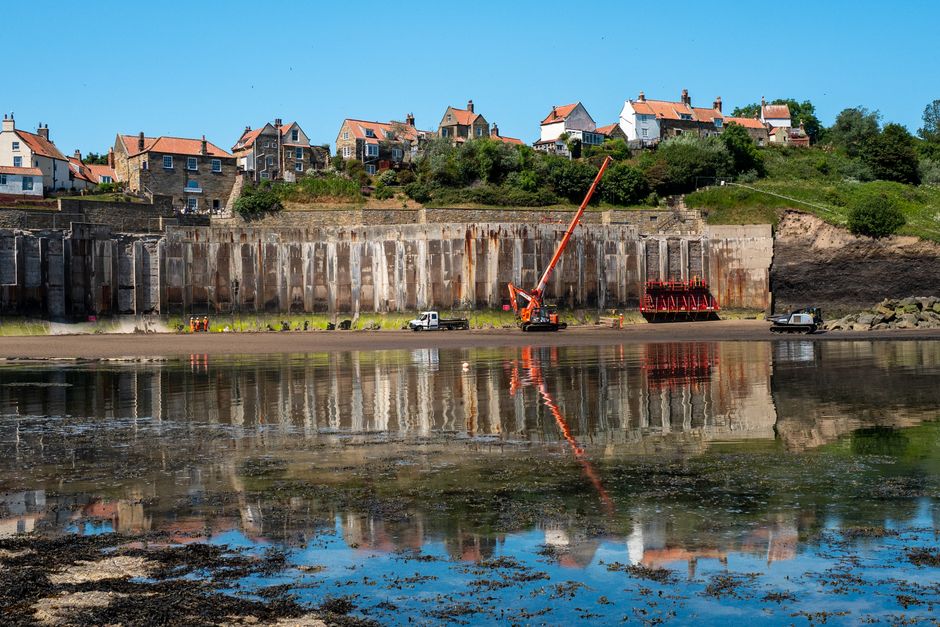
Constructability is another critical factor, particularly in exposed locations where work windows are limited by weather and sea state. The availability of suitable rock, concrete units, or caisson fabrication facilities can influence the choice of structure type and the logistics of construction. Heavy lifting equipment, such as floating cranes, may be required, and these operations are sensitive to wave conditions. The design must therefore consider the construction sequence, temporary works, and the potential for damage during installation. In some cases, innovative methods such as prefabricated modules or floating breakwaters may be considered, although their applicability in extreme wave environments is often limited.
In conclusion, designing breakwaters for extreme wave loads in exposed locations is a multi-faceted process that requires a thorough understanding of wave hydrodynamics, structural mechanics, geotechnics, and environmental science. The choice between rubble-mound and vertical breakwaters depends on site-specific conditions and project objectives, and both types have distinct advantages and limitations. By adopting a probabilistic, risk-based approach and integrating physical and numerical modelling, designers can develop robust solutions that are tailored to the challenges of each site. Coastal Marine and other organisations involved in such projects emphasise the importance of continuous learning and adaptation, as the coastal environment is dynamic and the consequences of failure can be significant.